쿨런트 필터링 가이드

금속 분진용 필터리스 쿨런트 필터링

종이 롤, 필터 백 또는 카트리지 없이 금속 분진과 스케일을 분리합니다.

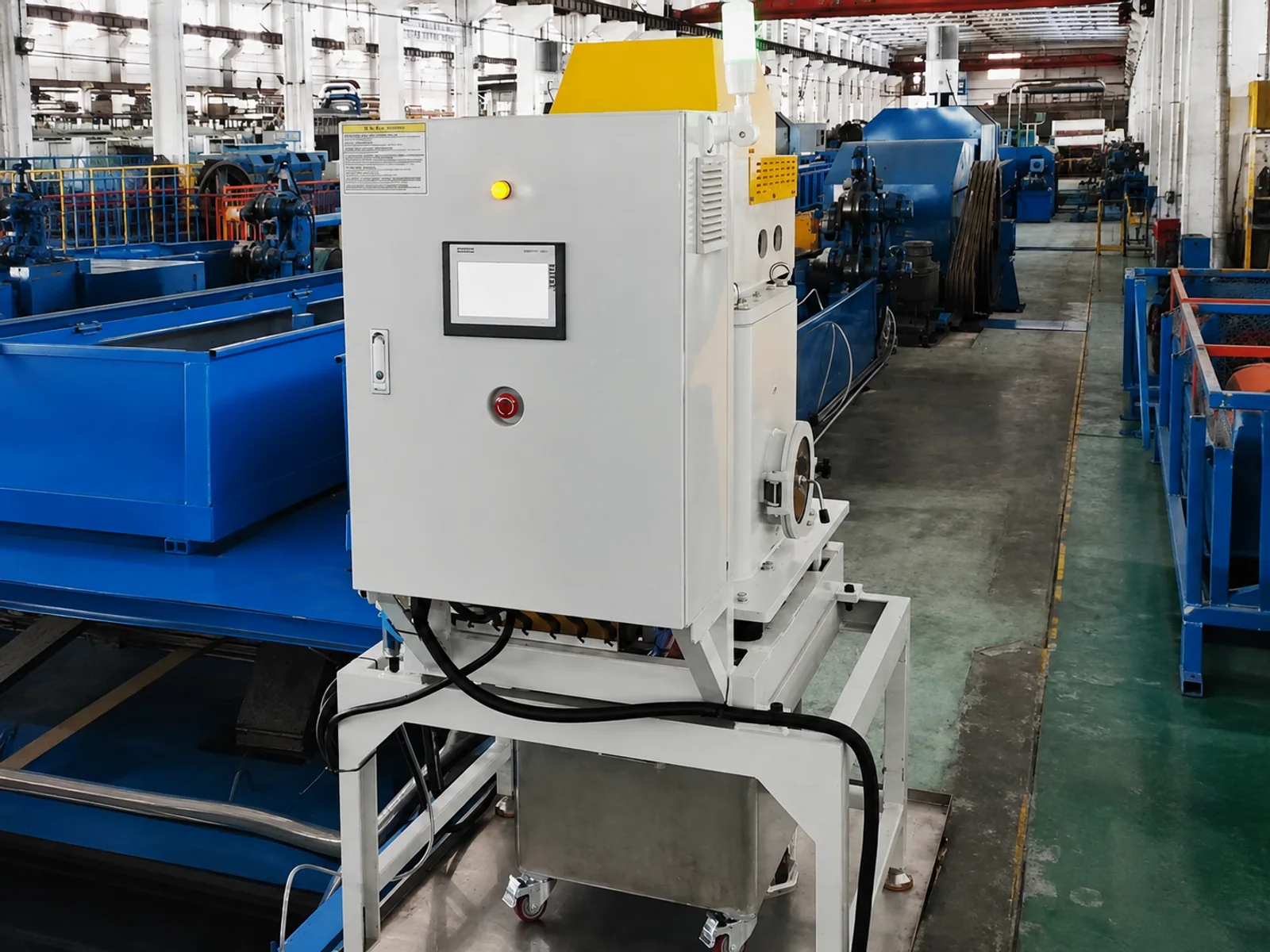
VC-600 filterless coolant filtration system installed beside an industrial coolant sump
01 · 정의

“필터리스”의 실제 의미

필터리스 쿨런트 필터링은 1차 분리 단계에서 일회용 종이, 백 또는 카트리지를 사용하지 않습니다. 회전하는 볼이 적절한 고체를 수집 표면으로 이동시키는 동안 정화된 유체는 섬프로 반환됩니다.

일회용 매체 없음

종이 롤, 백 및 카트리지의 구매, 보관 및 교체 주기를 제거합니다.
고체는 여전히 처리해야 합니다

수집된 물질은 여전히 공장 절차에 따라 배출, 분류 및 처리해야 합니다.

유지보수는 계획됩니다

볼, 배출 영역, 드라이브, 펌프 및 안전 장치는 여전히 정기적인 점검이 필요합니다.

02 · 공정 적합성

장비 라벨이 아닌 오염물질로 시작하십시오

원심 분리기는 현탁된 고체가 쿨런트와 충분한 밀도 차이를 가져 원심력에 의해 이동할 때 가장 강력합니다. 성능은 입자 크기만으로 결정되지 않습니다. 입자 밀도, 모양, 농도, 유체 점도, 온도, 흐름 및 체류 시간 모두 결과에 영향을 미칩니다.

오염 또는 상태시작 평가확인할 사항
강철 또는 주철 분진고체가 유체보다 상당히 밀도가 높기 때문에 종종 강력한 후보입니다.필요한 유량, 미세 입자 부하, 점도 및 허용 가능한 배출구 상태.
연삭 스와프 및 스케일고체가 분리 가능하고 안정적인 에멀젼을 형성하지 않을 때 종종 적합합니다.입자 모양, 휠 파편, 농도 및 섬프 순환 패턴.
알루미늄 또는 구리 분진잠재적으로 적합하지만, 낮은 밀도 차이는 분리 속도를 줄일 수 있습니다.의도된 유량 및 온도에서의 대표 샘플 테스트.
저밀도, 섬유질 또는 부유 물질단독으로 원심 분리기에 적합하지 않을 수 있습니다.스크리닝, 스키밍, 미디어 필터링 또는 하이브리드 공정을 고려하십시오.
박테리아, 용해된 오염물질 또는 쿨런트 화학고체 분리로 해결되지 않습니다.쿨런트 관리, 농도 제어, 살균제 정책 또는 기타 처리를 사용하십시오.
에멀젼화된 트램프 오일고체 원심분리기가 제거할 것이라고 가정하지 마십시오.위상 거동을 확인하고 필요한 경우 전용 오일 분리 방법을 선택하십시오.
03 · 작동 순서

필터리스 쿨런트 루프 작동 방식

01

섬프에서 끌어오기

제어된 측면 흐름이 오염된 쿨런트를 운반합니다.

02

원심력으로 분리

회전하는 볼이 밀도가 높은 고체를 가속하여.

03

정화된 쿨런트 반환

분리된 유체는 지속적으로 반환되며 생산은.

04

수집된 고체 배출

자동 배출 모델은 작동 중에 고체를 제거합니다.

04 · 유지보수

여전히 포함되는 정기 유지보수

고체 부하, 유체 상태, 작동 시간 및 장비 설명서를 기준으로 검사 간격을 설정하십시오.

Routine operating check

Check vibration, noise, leakage, feed and return flow, discharge condition and safety interlocks.

Planned inspection

Inspect the bowl and discharge area, remove buildup where required and verify pumps, piping and guards.

Mechanical service

Follow the service plan for bearings, seals, drive components, alignment and wear parts.

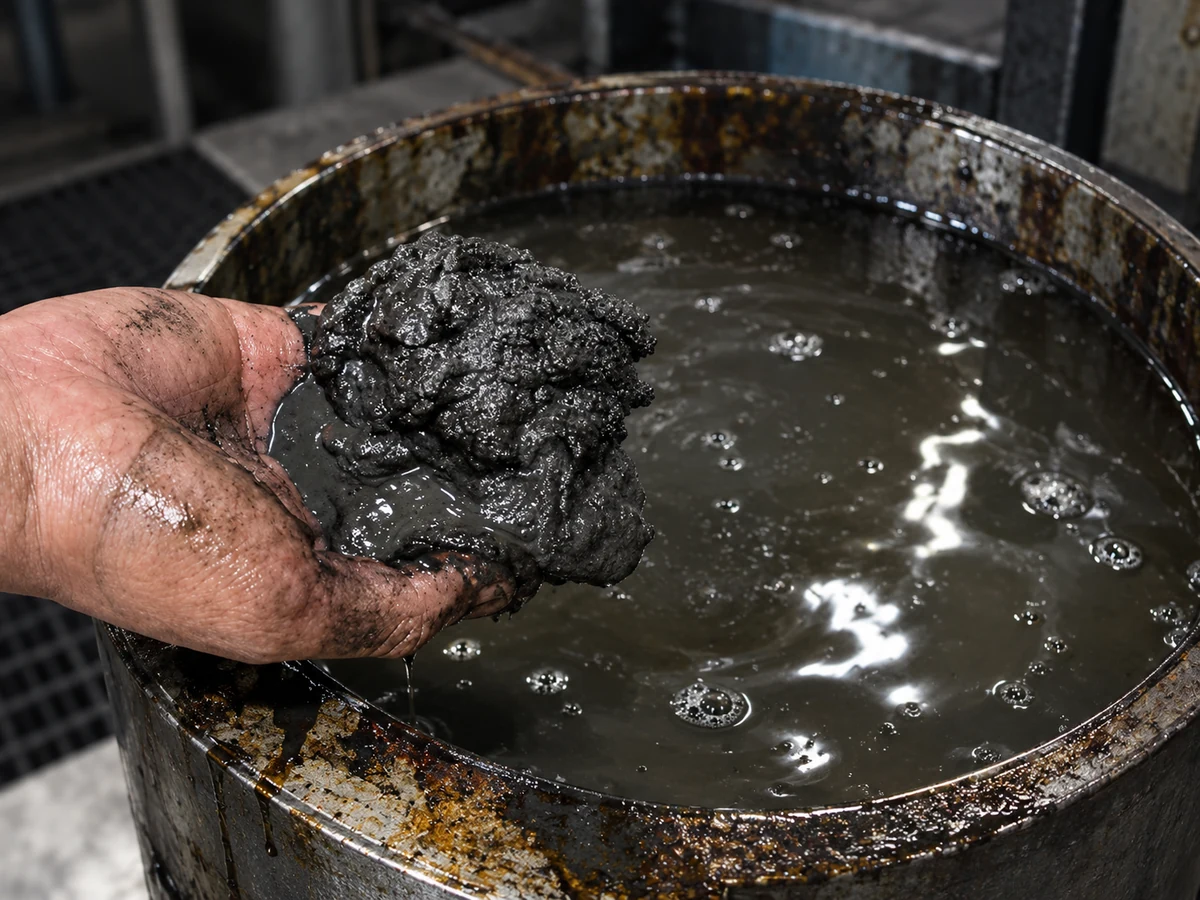
Metal solids discharged from filterless coolant filtration
05 · Waste handling

Handle the Solids Without Used Filter Paper

The centrifugal stage separates solids without combining them with spent paper, bags or cartridges. The result may reduce disposable material and coolant carried away with wet media, depending on the discharge condition.

Classify the collected solids using the metal, coolant chemistry, upstream process and local regulations. Confirm recycling or disposal routes rather than assuming them.

  • Measure collected solids over a representative production period.
  • Record residual liquid content and drainage practice.
  • Compare total waste mass and handling cost.

Compare centrifuges and paper band filters →

06 · Selection boundaries

When Filterless Separation Fits—and When It Does Not

A strong starting fit

  • Dense metal fines or scale are the main contamination.
  • Disposable media use is frequent or difficult to manage.
  • A continuous bypass loop can serve the sump.
  • Collected solids can be discharged and handled safely.
  • A sample test can confirm the required result.

Consider another or hybrid stage

  • The main contamination is fibrous, floating or low density.
  • A defined barrier or absolute-rated polishing step is mandatory.
  • The target is bacteria, dissolved material or coolant chemistry.
  • Tramp oil is stable or emulsified in the coolant.
  • The process specification requires a result not demonstrated by testing.

A hybrid system can be valid: use centrifugal separation for the main dense-solids load, then add a polishing or oil-separation stage only where the process requires it.

07 · Centrifuge options

Size the System Around the Process

Use bypass flow, sump volume, solids loading, viscosity and sample-test results to choose the operating point. Published ratings do not guarantee outlet cleanliness.

Single machine / high GVC-600
유량
60 L/min
G-포스
6,500 G
고형물 용량
2 L

A starting option for one machine, a smaller sump or high-G sample testing.

VC-600 보기 →
Multiple machines / central sumpVC-1500
유량
150 L/min
G-포스
1,860 G
고형물 용량
8 L

A starting option for multiple machines or a central sump after testing.

VC-1500 보기 →

Need the broader system view? Open the coolant centrifuge category guide →

08 · Validate before purchase

Test the Real Coolant at a Defined Flow

Use a representative sample to verify the separation result. Record the machine, G-force, feed condition, tested flow, run time, clarified sample and collected solids. Visual clarity should not replace particle or process-quality data where those results matter.

Application review inputs
  • Coolant or oil type and viscosity
  • Metal and contaminant source
  • Flow rate and sump volume
  • Number of machines served
  • Current filter media and change frequency
  • Required outlet or production result
09 · Common questions

Filterless Coolant Filtration FAQ

필터 없는 냉각수 여과란 무엇을 의미하나요?

일회용 종이, 백 또는 카트리지 없이 주요 분리 단계가 실행됩니다.

원심분리기로 모든 입자를 제거할 수 있습니까?

번호. 밀도, 입자 거동, 점도, 흐름 및 G-힘이 결과를 결정합니다. 실제 유체를 테스트하십시오.

시스템은 제로 웨이스트를 만드나요?

아니요. 사용한 필터 매체는 피하지만, 분리된 고형물은 여전히 처리해야 합니다.

냉각수 관리를 대체할 수 있습니까?

아니요. 고형물 제거는 농도, pH, 박테리아, 용해된 오염 물질 또는 모든 형태의 트램프 오일을 제어하지 않습니다.

애플리케이션 검토

See Whether Centrifugal Filtration Fits Your Process

Send your fluid type, contaminant, flow rate and sump volume. We will recommend a test condition and suitable centrifuge range—or tell you when another filtration method is a better fit.

Request an Application Review →Coolant · Solids · Flow · Sump · Current filtration · Target result
위로 스크롤