
Why Cold Heading Oil Becomes Contaminated
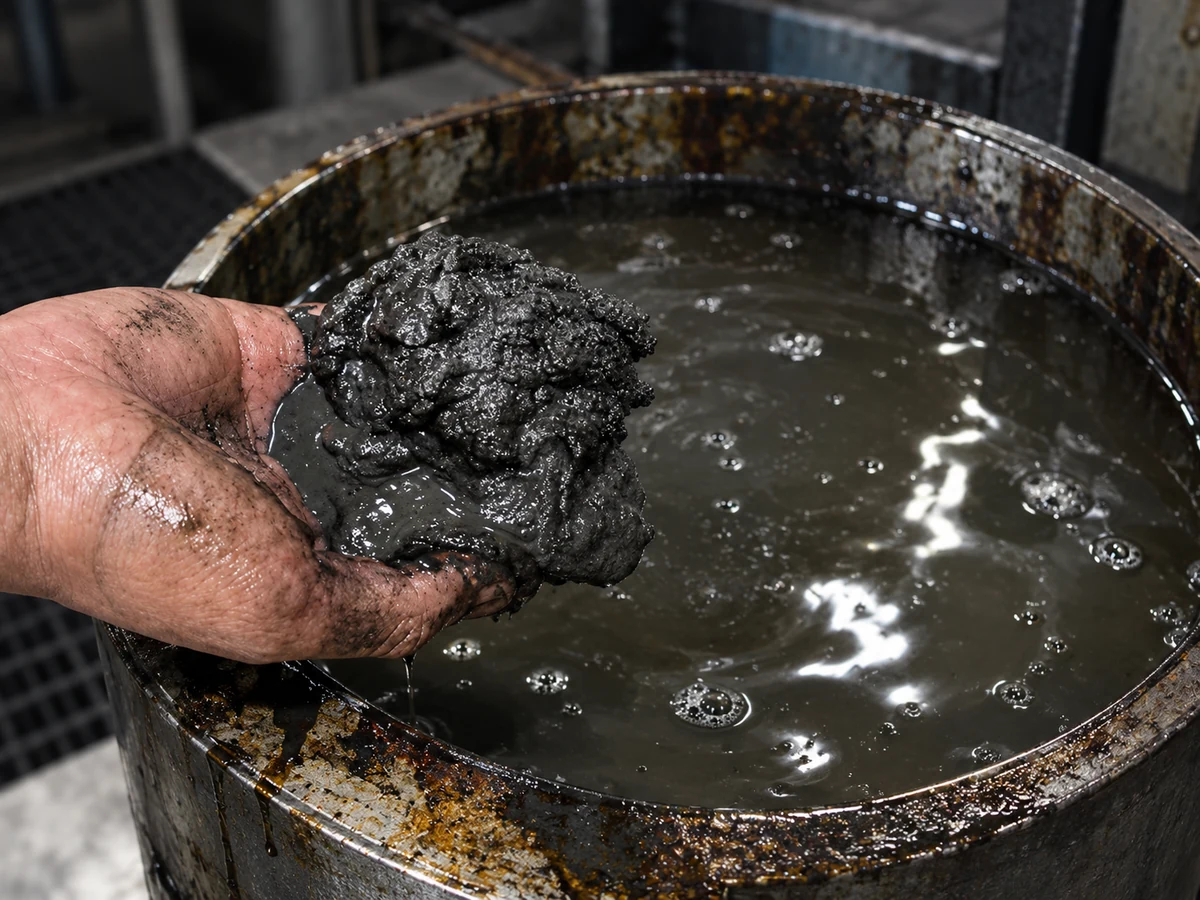
Phosphate coating is commonly used before cold forming to reduce friction and support material flow. During production, part of this coating is released from the wire or workpiece as phosphate coating residue. The residue falls into the lubricant and returns with the oil to the sump.
At the same time, each forming operation generates small iron fines. The amount produced by a single stroke may be limited, but a cold heading press repeats that stroke continuously. Across a long shift, the solids concentration increases. In plants operating several presses from a central sump, contamination from multiple machines can enter the same fluid circuit.
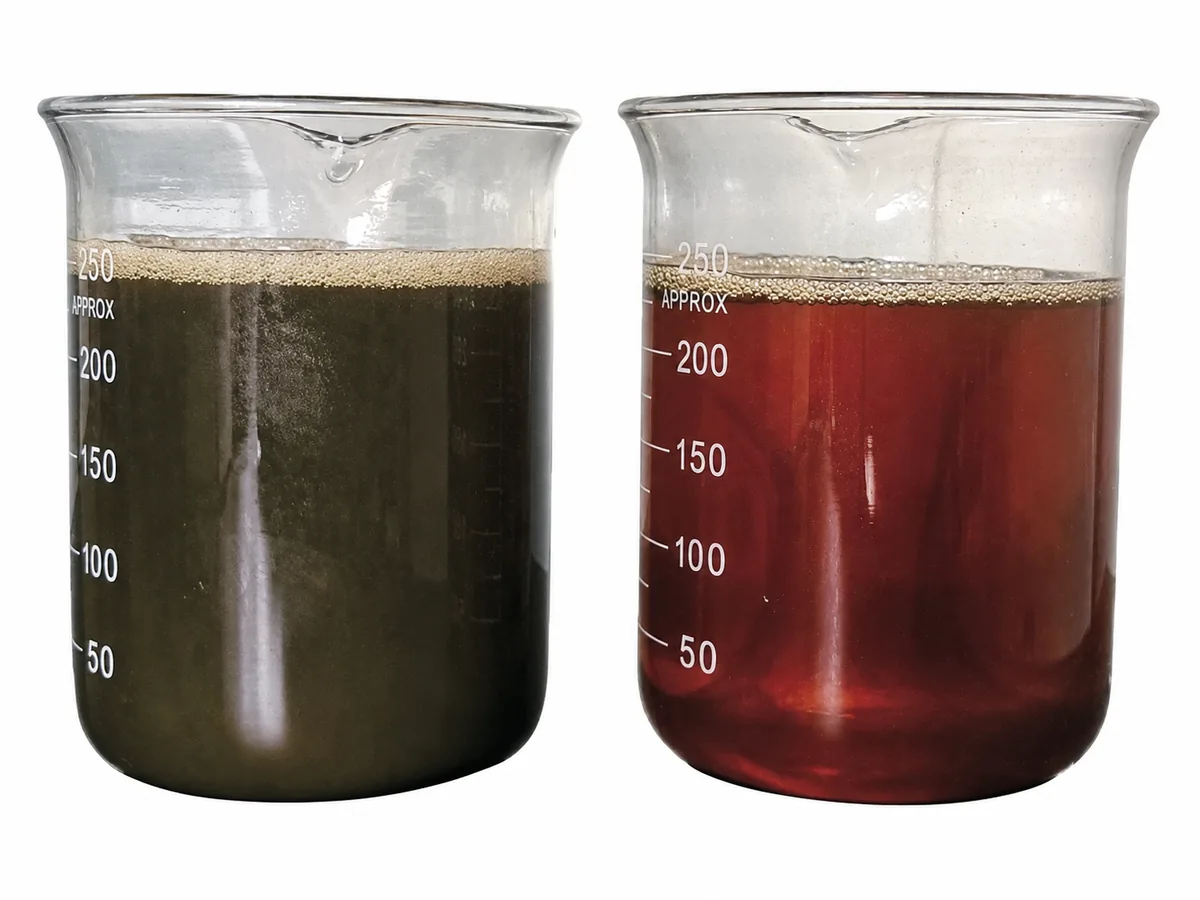
Phosphate coating residue and iron fines gradually settle and combine into sludge. Some solids remain suspended as the oil circulates, while heavier material accumulates at the bottom of the sump, in pipework, and around areas of low flow. As the contamination load rises, the oil may become darker and thicker. Stable delivery to the forming area becomes more difficult, and abrasive particles continue returning to the dies.
Without continuous solids removal, maintenance teams may be forced into a repeated cycle of draining the sump, removing settled sludge, cleaning the system, and replacing or reconditioning the oil. In difficult applications, that cycle can occur every four to six weeks. The exact interval depends on production volume, phosphate carryover, press condition, sump volume, oil type, and the filtration method already in use.
What Happens When the Contamination Is Not Removed
Frequent oil replacement creates more than the cost of the lubricant itself. Each change can involve planned or unplanned production interruption, labor for draining and cleaning, replacement-fluid handling, and disposal of contaminated oil or wet waste. If disposable paper or bag media is used, purchasing, storage, replacement labor, and disposal of saturated media add further operating costs.
Phosphate coating residue is particularly difficult because it is abrasive. When hard particles repeatedly circulate through the forming zone, they can contribute to wear on cold heading dies and other contact surfaces. Tool condition becomes less predictable, and maintenance may need to inspect or replace tooling sooner. The effect depends on particle size, concentration, material, tooling, and operating conditions, so it should be evaluated from the actual process rather than estimated from a generic savings claim.
Temperature can make the contamination problem more visible. During long shifts, high production loads, or warm seasonal conditions, the oil temperature may rise. Changes in viscosity and settling behavior can increase deposit formation and make existing phosphate residue more difficult to manage. A system that appears acceptable during a short or cool operating period may struggle when production runs continuously.
Leaving solids in the oil therefore transfers cost into several areas: lubricant consumption, waste disposal, tooling, maintenance labor, and lost production time. The purpose of filtration is not simply to make the oil look cleaner. It is to keep the fluid circuit stable and remove damaging solids before they return to the presses.
Application References
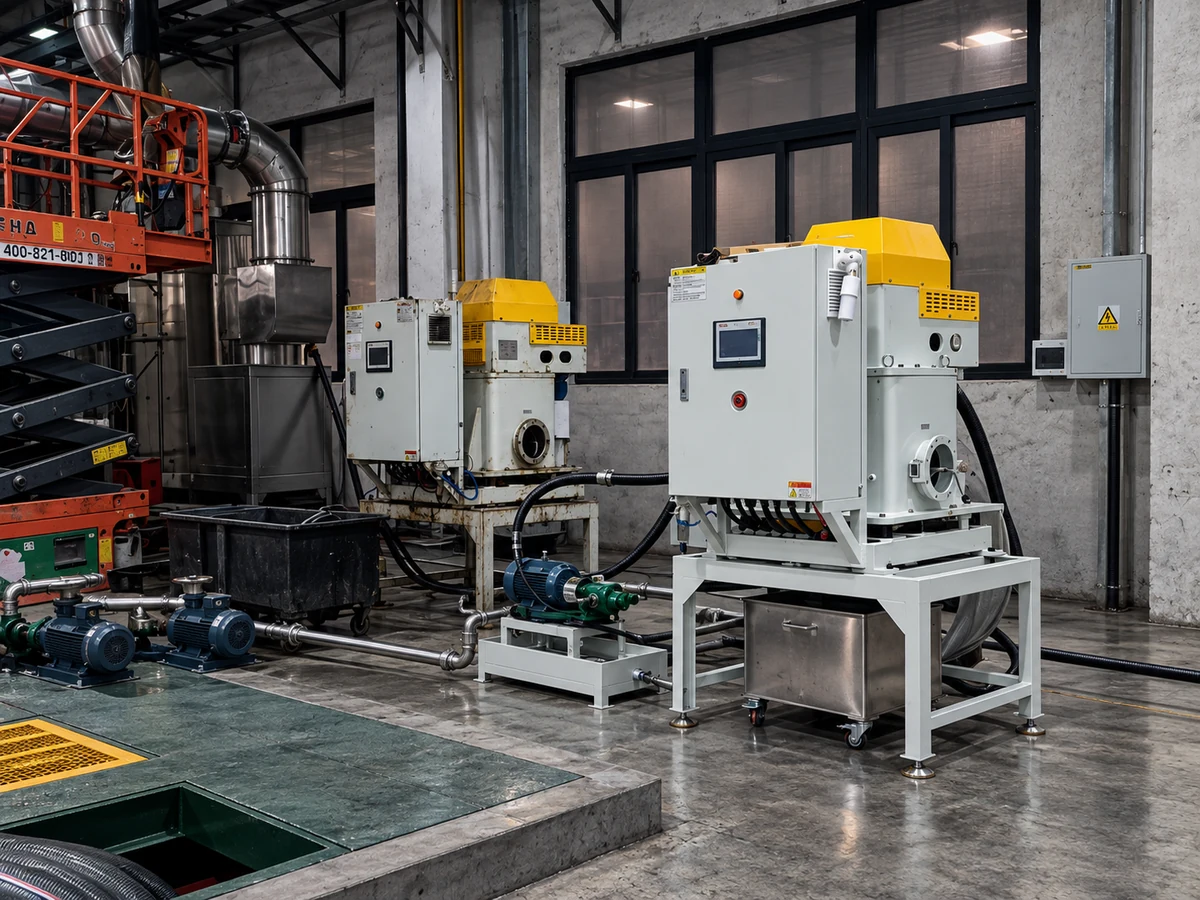
Cold heading installations differ in press count, phosphate process, oil type, working temperature, sump arrangement, and contamination load. For that reason, we do not publish an unverified claim that every plant will achieve the same oil-change interval or tooling result.
An application reference is available on request. We can discuss relevant cold heading and fastener-manufacturing conditions without presenting unconfirmed performance figures as a guaranteed outcome. Where suitable reference information is available, it can be reviewed together with the operating conditions that produced the result.
To prepare a recommendation, please provide:
- Number and type of cold heading presses
- Individual or central sump arrangement
- Total sump volume
- Current circulation or required treatment flow
- Oil type and approximate operating temperature
- Main contaminants, including phosphate coating residue and iron fines
- Current oil-change interval and filtration method
- Available voltage and installation space