
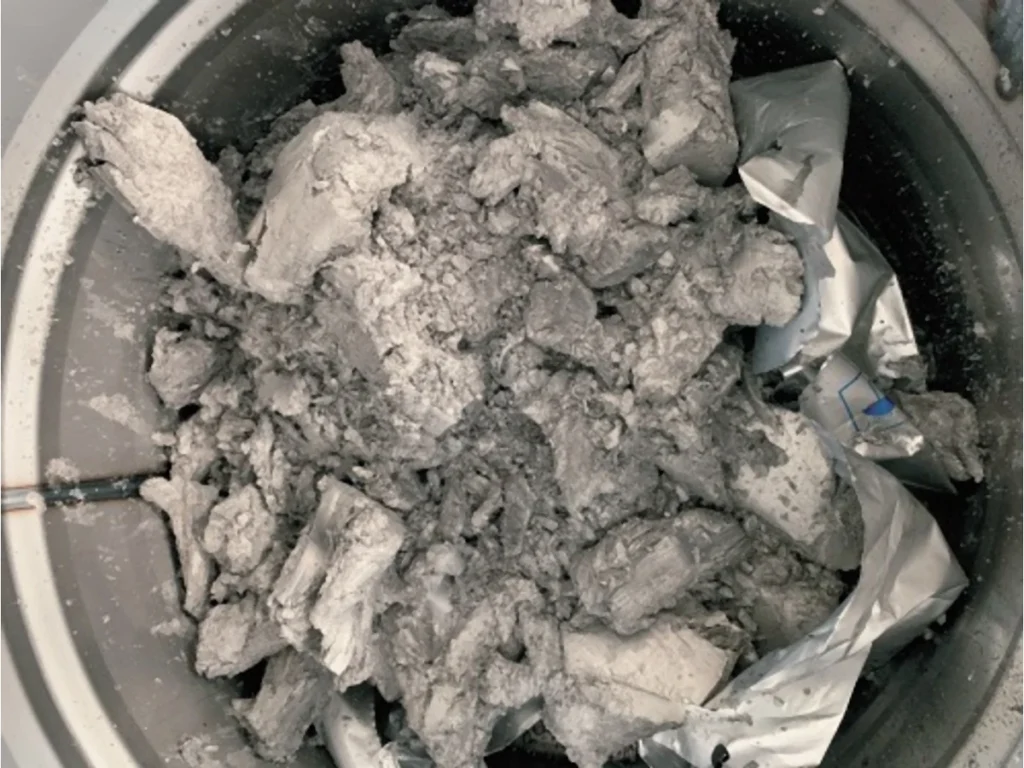
Grinding Sludge: Removal, Dewatering and Recycling
Manage grinding sludge through continuous removal, liquid balance, dewatering and separate recovery routes for identified carbide or steel residues.
Manage grinding sludge through continuous removal, liquid balance, dewatering and separate recovery routes for identified carbide or steel residues.
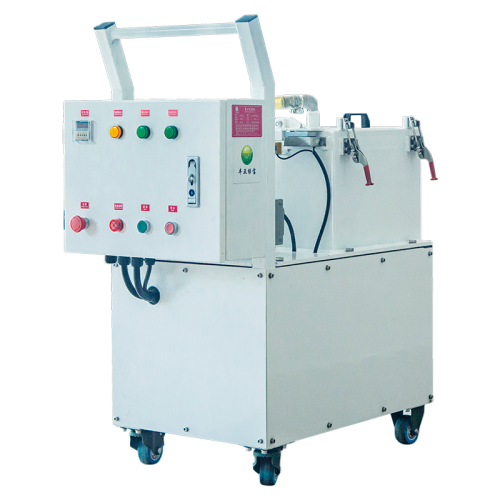
Plan quench oil maintenance with cooling-behaviour tests, water checks, sludge control and a documented cleaning and oil-condition review.
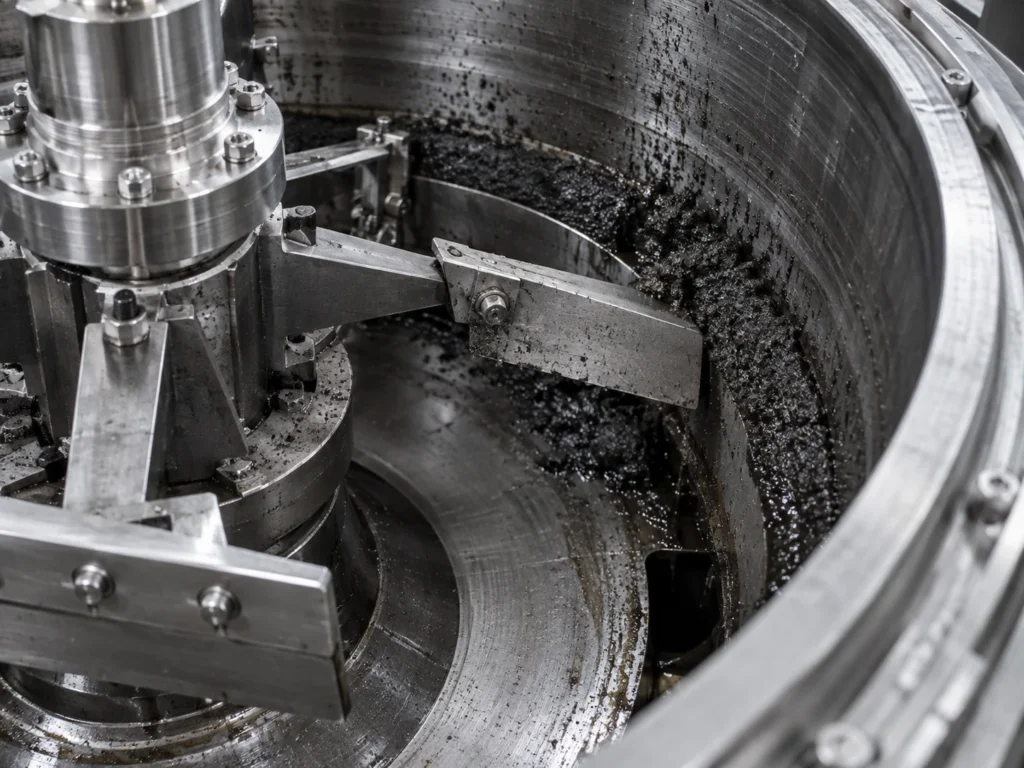
Learn how a tubular bowl centrifuge combines acceleration, separation time and solids collection, with manual and automatic discharge choices.
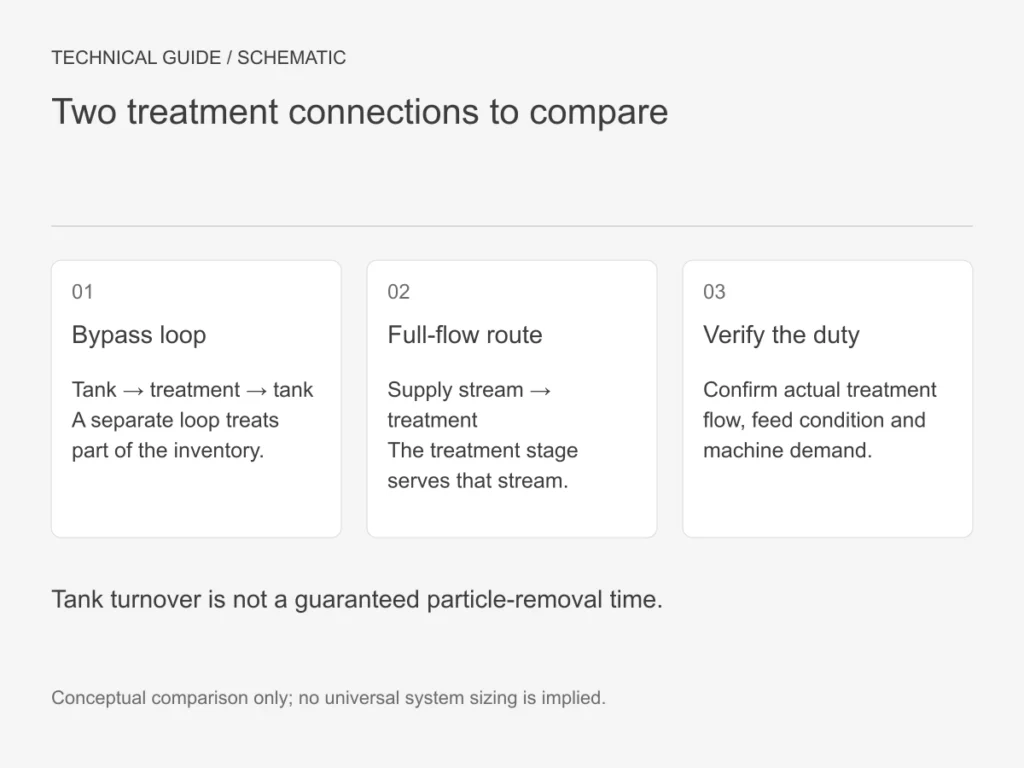
Control cover glass grinding coolant fines through return-flow design, coarse separation, centrifugal cleaning and practical supply-point checks.
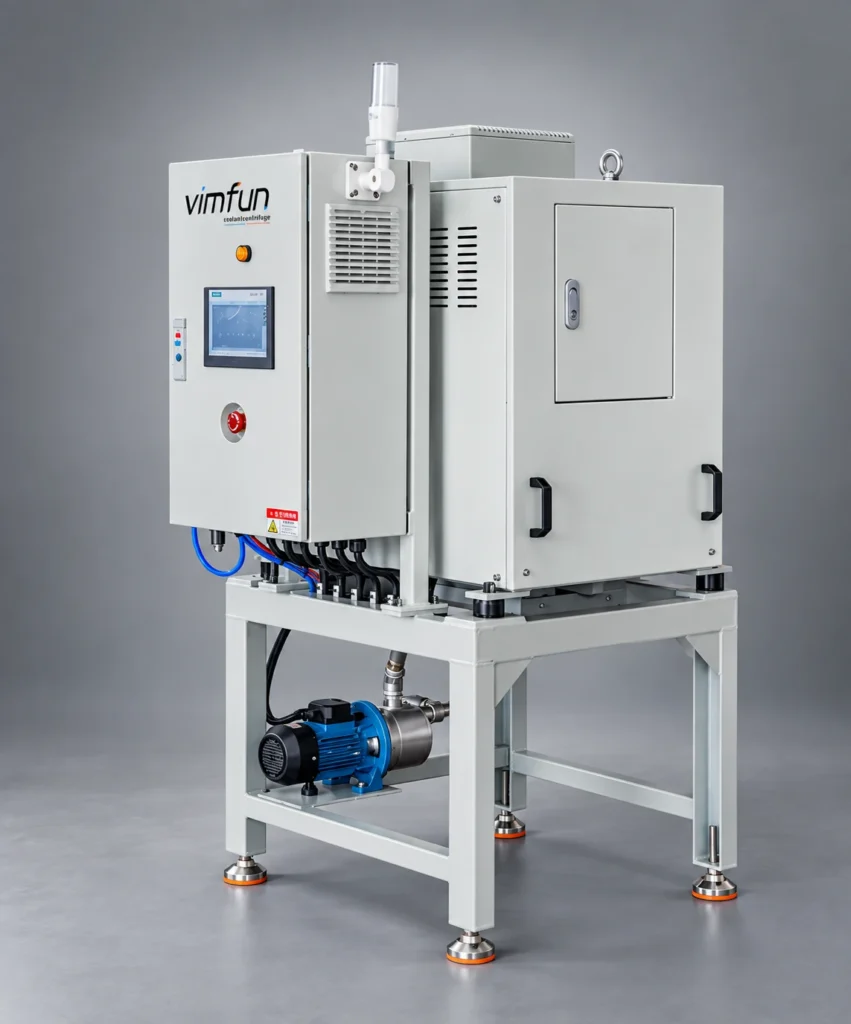
Compare oil centrifuge types for engine, industrial and purification duties by phase separation, feed conditions, outlets and solids handling.
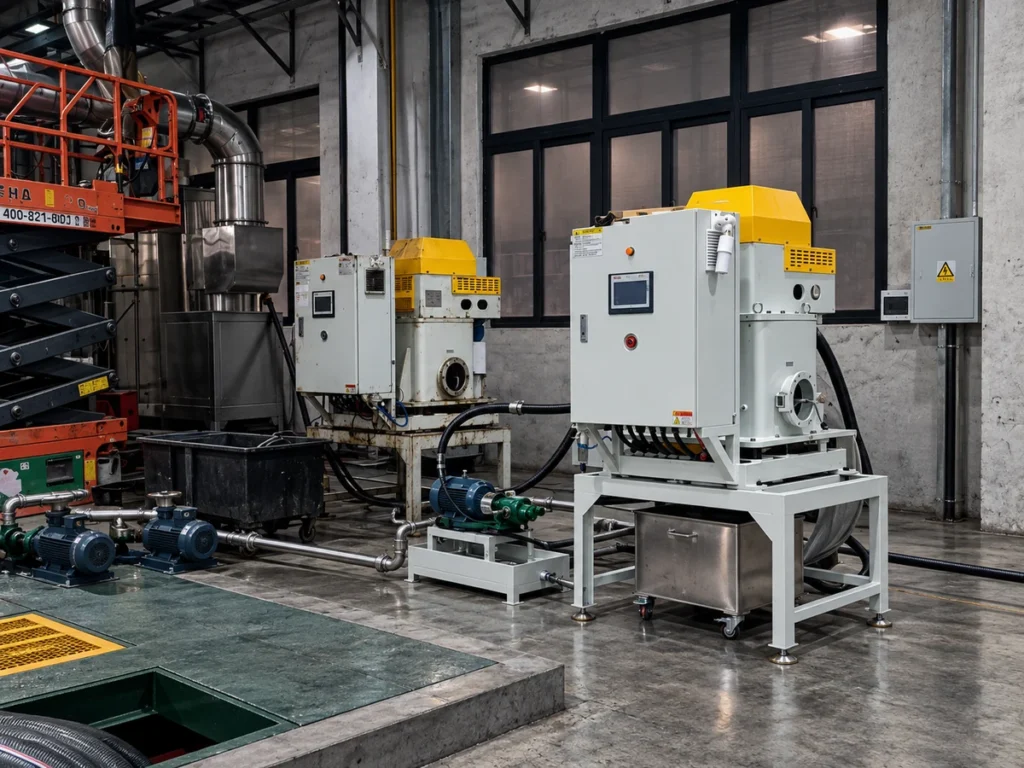
Compare cutting oil filtration with cartridges, bags and centrifuges using working viscosity, solids loading, flow resistance and maintenance needs.
Plan a small central loop for cold heading oil filtration with dirty collection, clean returns, level behaviour, sampling and service access.
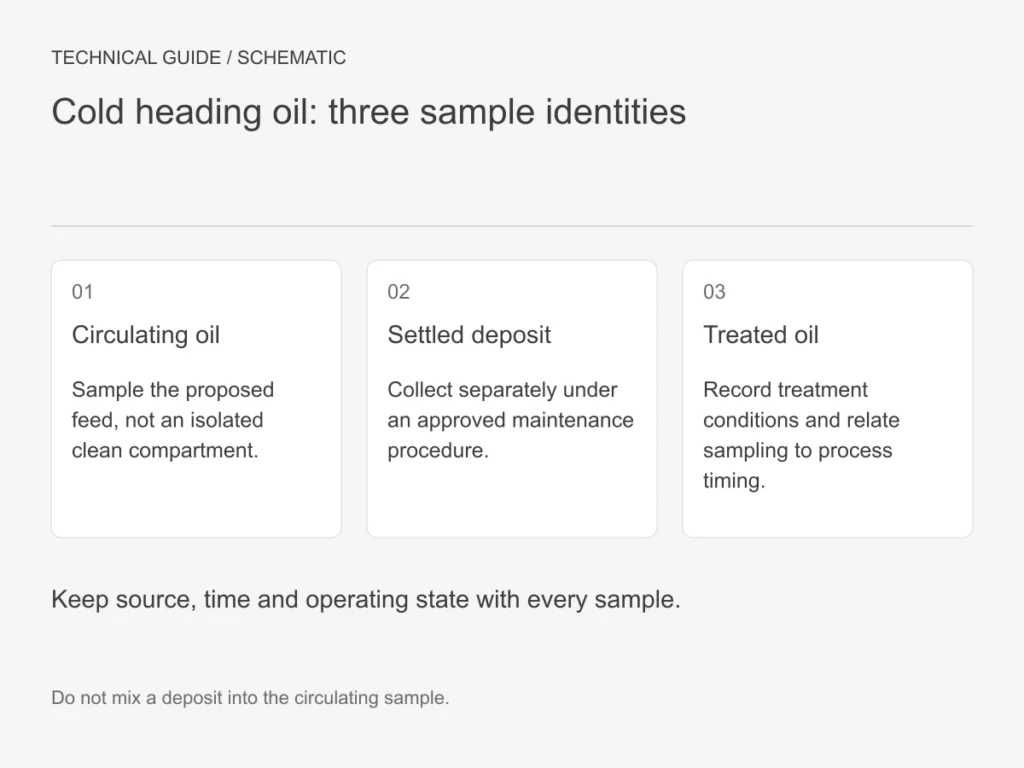
Manage cold heading oil life through condition checks, fines removal and a clear oil balance covering top-ups, drains and the replacement trigger.

Prepare glass grinding coolant samples for separation testing. Identify the process, sampling point, operating state and limits of paired comparisons.

Plan glass grinding sludge handling around its source, retained liquid, collection method and receiving requirements, without assuming dry or reusable solids.